Karoven
Standards — Methodology

How Karoven
Verifies Quality.

A documented, step-by-step account of the sourcing, analysis, and batch verification processes applied to every Karoven formulation.

01 — The Process

Six-stage verification from supplier to batch register.

01

Supplier Identification

Suppliers are identified through published research literature and third-party ingredient directories. Initial evaluation covers the supplier's documentation chain: country of origin certificates, processing method records, and food-grade facility registration.

02

Documentation Audit

Before any ingredient enters the Karoven formulation register, the sourcing analyst reviews the supplier's certificate of composition and chain-of-custody documentation. Incomplete documentation results in automatic exclusion from consideration.

03

Sample Submission

Approved supplier samples are submitted to an independent laboratory. Active ingredient concentrations are measured using standard analytical methods appropriate to each compound — for example, HPLC for plant extract quantification.

04

Compositional Analysis

Laboratory results are cross-referenced against the labelled profile. Any result falling outside a 5% variance range triggers a formal query to the supplier and re-submission. Only batches within tolerance proceed to the formulation stage.

05

Batch Coding & Register Entry

Each verified batch receives a unique batch code. The code is entered into the Karoven batch register along with the laboratory result summary, production date, and supplier reference. Register entries are published quarterly.

06

Subscriber Transparency Report

Registered Karoven subscribers receive a quarterly batch report covering all active formulations. The report includes batch codes, laboratory variance summaries, and any sourcing changes made in the reporting period.

Third-party laboratory analyst reviewing supplement sample results under controlled studio lighting with equipment in background
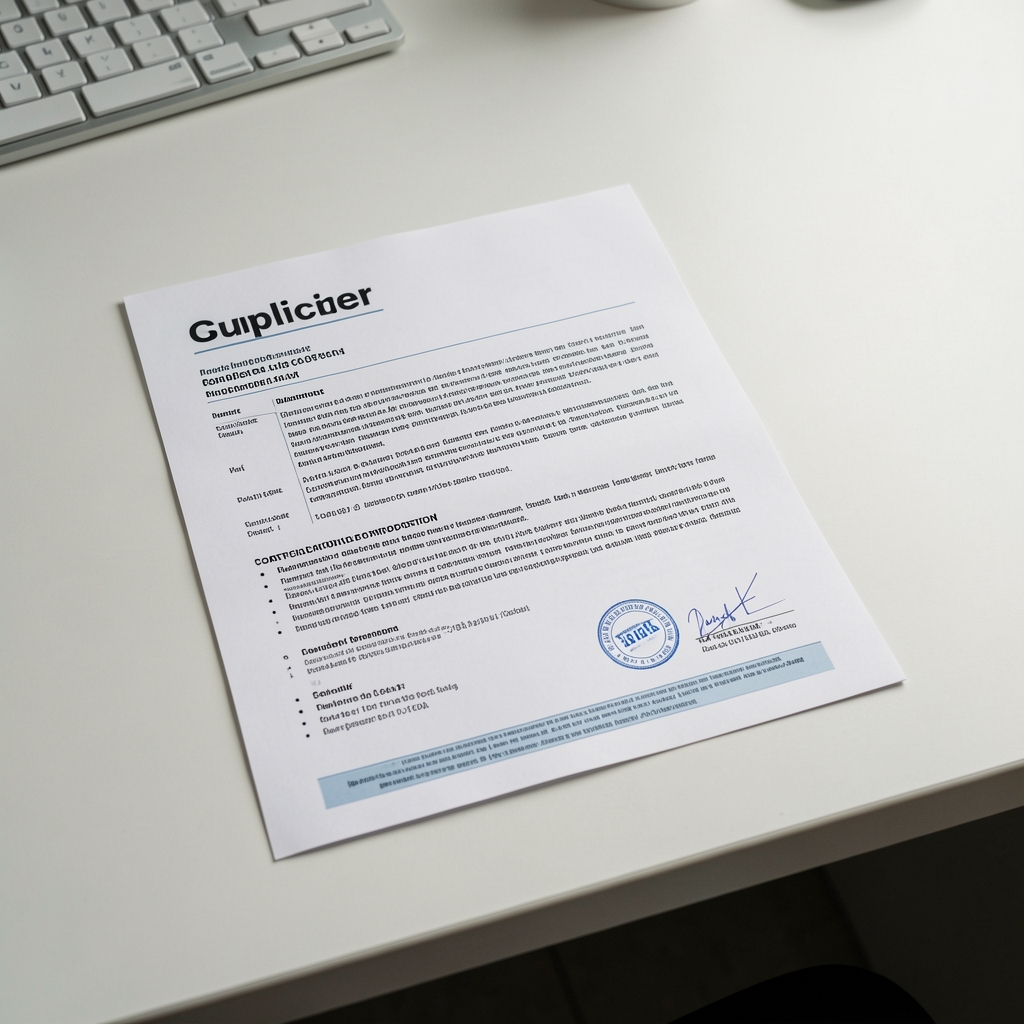
Printed supplier documentation and certificate of composition laid flat on a clean desk surface
Register Schedule

The Karoven batch register is updated in Q1, Q2, Q3, and Q4 of each production year. Subscribers receive email notification when each update is published. Archived register entries remain available for review.

02 — Sourcing Standards

Criteria that all Karoven ingredients must satisfy.

Documented Origin

Country of origin and harvest or extraction date must be documented in the supplier's certificate of composition. Unverifiable origin claims exclude a supplier from consideration.

Food-Grade Processing

Active ingredients are sourced from documented suppliers whose facilities maintain food-grade processing standards. Processing method documentation must accompany each batch submission.

Standardised Extract Content

Plant extracts must be standardised to a defined active compound content. Karoven publishes the standardisation target (e.g., 5% withanolides for ashwagandha) in each formulation's ingredient profile.

Contaminant Screening

Independent laboratory analysis includes heavy metal and contaminant screening. Batches with detectable heavy metal contamination above established food-grade reference limits are rejected from distribution.

No Proprietary Blends

Karoven does not use proprietary blend designations. Each ingredient and its concentration is published individually. Subscribers can evaluate every component of a formulation independently.

Research Alignment

Each ingredient in the Karoven range has a corresponding entry in the editorial ingredient reference, citing the published nutritional research that supports its inclusion at the specified dose.

03 — Supplier Overview

Current active sourcing regions.

South Asia

India — Plant Extracts

Ashwagandha root extract (KSM-66 specification) and turmeric root extract (95% curcuminoids). Suppliers hold relevant FSSAI and APEDA export documentation.

Verified Q1 2026
East Asia

Japan — Mineral Forms

Magnesium bisglycinate and zinc bisglycinate from documented Japanese supplement ingredient suppliers. Suppliers operate under MHLW food-grade regulations.

Verified Q4 2025
Europe

Germany — Vitamins

Vitamin D3 (cholecalciferol) and B-vitamin complex from European vitamin producers with full EFSA-compliant documentation and traceability to raw material origin.

Verified Q2 2025
04 — Editorial Standards

How content is researched, reviewed, and published.

Karoven editorial content is produced by contributors with backgrounds in food science, sports nutrition research, and independent journalism. Every published ingredient profile includes at minimum two peer-reviewed references from indexed nutritional journals.

Content undergoes a two-stage review: first by the lead nutrition editor for factual accuracy, then by the sourcing analyst to confirm alignment with the current batch register. Any discrepancy between editorial content and the batch register is corrected before publication.

Karoven is an independent wellness resource focused on everyday nutrition and active lifestyle practices for men. The content is not affiliated with any governmental or institutional body. Ingredient profiles in Karoven supplements are selected based on published nutritional research and undergo independent batch verification for quality and labelling accuracy.

Reference Standards
EU
European Food Safety Authority
EFSA dietary reference values and nutrient role opinion documents used as primary dose reference.
WHO
World Health Organisation
WHO recommended nutrient intakes referenced for contextualising formulation dosages within international dietary standards.
SNI
Indonesian National Standard
SNI standards for food-grade supplement ingredients applied to local sourcing and distribution requirements.
05 — Standards FAQ

Questions on the Karoven verification approach.

The batch register is updated quarterly — in January, April, July, and October of each production year. Each update covers all active formulations. Subscribers receive an email notification when a new register entry is published.

Any batch recording a variance of more than 5% from the labelled profile is withheld from distribution. A formal query is submitted to the supplier, and a new sample is requested for re-analysis. Failed batches are logged in the register as rejected, with the variance figure published.

Yes. Registered Karoven subscribers receive the quarterly batch report including all active formulations, laboratory variance summaries, and sourcing change notes. Archived register entries from previous quarters remain available on request.

Karoven uses an ISO 17025-accredited independent laboratory for compositional analysis. The laboratory is disclosed to registered subscribers in the batch report. Karoven does not have a commercial relationship with the laboratory beyond a fee-for-analysis arrangement.